Danh mục

How to Select a Corrosion-Resistant Compact Busbar System for Marine Offshore Applications

Learn how to select the right corrosion-resistant compact busbar system for marine offshore applications. Expert guidance from ZHERUTONG on materials, ratings, and reliability in harsh ocean environments.
May 21st,2026 4 Lượt xem

Introduction to Marine Power Distribution

Welcome to our technical knowledge base. As ZHERUTONG, a dedicated and leading manufacturer of advanced electrical distribution solutions, we understand how devastating power failures can be in extreme environments. Today, we are sharing our firsthand manufacturing expertise and engineering insights to help you work through the complexities of marine electrical infrastructure. Over our years of production and field observation, we have repeatedly seen standard commercial power systems fail badly when exposed to the constant punishment of ocean conditions.

The ocean is an unforgiving environment that demands specialized engineering. To keep operations running and safety uncompromised, selecting a proper corrosion-resistant compact busbar system for marine offshore applications is not simply a design preference — it is an absolute operational necessity. A reliable corrosion-resistant compact busbar system acts as the critical lifeline of any offshore platform, delivering high-amperage power safely across extremely tight spaces.

As a manufacturer, we have studied countless failed commercial enclosures where salt and moisture broke through standard defenses, causing serious short circuits. We bridge the gap between factory engineering and real-world offshore deployment. In this comprehensive guide, we will explore the critical environmental challenges, advanced material selection logic, and cross-industry applications of these robust systems, ensuring your next maritime or high-humidity industrial project is built for maximum resilience.

Overcoming Harsh Marine Offshore Challenges

Marine offshore platforms present some of the most hostile operating conditions on the planet. Standard electrical housings are simply not built to handle the relentless assault of the ocean. Our engineering team at ZHERUTONG has thoroughly studied how sea salt aerosols cause corrosion. These microscopic salt particles are highly conductive and hygroscopic, meaning they actively pull moisture from the surrounding air. When these aerosols settle on standard metal housings, they trigger rapid galvanic corrosion, eating through standard paint and thin-gauge steel within months. Once the enclosure is breached, the conductive salt fog works its way into the internal busbars, leading to catastrophic phase-to-phase short circuits.

To fight this, a specialized system relies on advanced epoxy insulation and marine-grade extruded aluminum or stainless steel housings that meet strict IEC and NEMA marine standards. Compliance with IEC 61439-6 and NEMA BU 1 standards ensures that systems go through rigorous salt spray testing, thermal cycling, and mechanical impact assessments before they ever reach the shipyard.

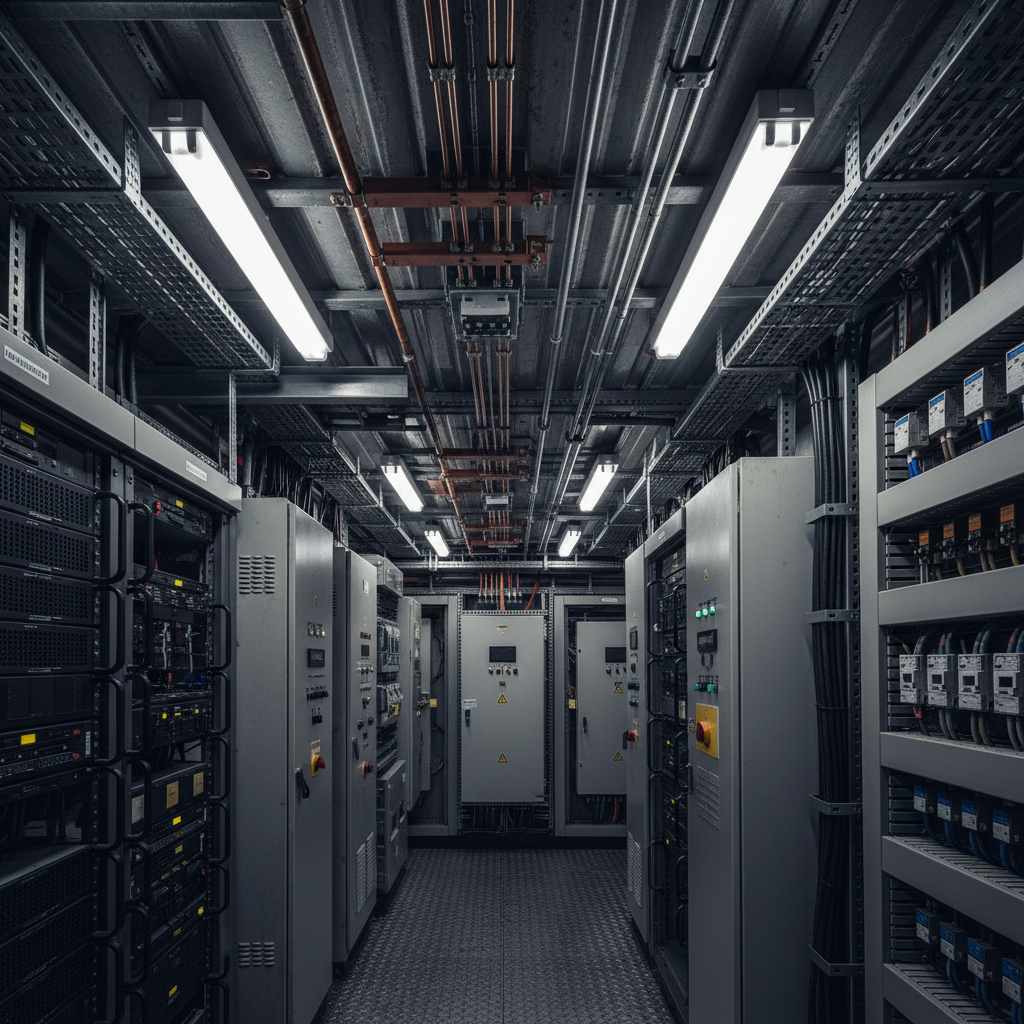
Beyond corrosion, offshore drilling rigs face extreme space limitations. Every square meter on a rig is carefully calculated and incredibly expensive. Traditional cable trays take up massive amounts of overhead space and require significant bending radii. A well-engineered compact busbar eliminates this bulk, saving up to 40% of routing space compared to traditional cabling.

When designing for these environments, we must address three primary threats:

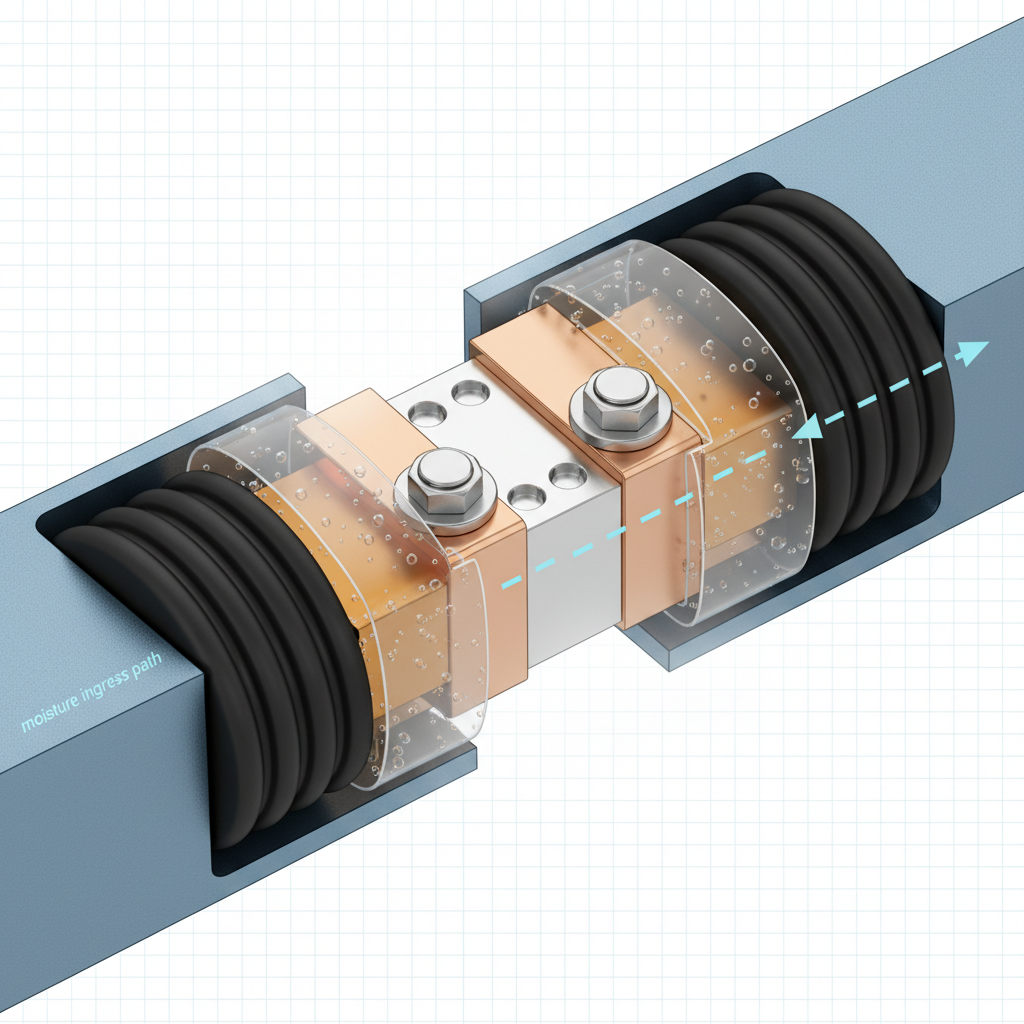
  • Salt Fog Ingress: Continuous exposure to saline moisture requires seamless housing profiles and specialized joint protections that prevent any exchange with the outside atmosphere.
  • Constant Mechanical Vibration: Diesel generators and heavy drilling equipment create relentless micro-vibrations. Busbar systems must use heavy-duty spring hangers and flexible joint connections to absorb kinetic energy without weakening electrical contact.
  • Severe Space Constraints: The dense network of piping, HVAC systems, and structural steel requires a highly modular, compact profile that can navigate tight corners and low ceilings without sacrificing amperage capacity.

By addressing these specific challenges with targeted manufacturing techniques, we ensure our systems outlast standard alternatives while maximizing the usable footprint of the offshore facility.

IP67 Installation in Chemical Plants

The exceptional sealing techniques required for marine use also perfectly solve the serious challenges found in land-based industrial facilities. We frequently apply our maritime engineering principles to chemical processing facilities, where corrosive vapors and extreme moisture levels destroy standard electrical infrastructure. In fact, an IP67 rated compact busbar installation in high humidity chemical plants is one of the most effective ways to guarantee uninterrupted power distribution in highly volatile manufacturing zones.

The IP67 rating means the system is completely dust-tight and can withstand temporary immersion in water. Achieving this requires careful manufacturing and precise installation. During an IP67 rated compact busbar installation in high humidity chemical plants, engineers must pay close attention to the joint connections and terminal ends. We use specialized epoxy coatings and heavy-duty rubberized gaskets at every junction. When the joint blocks are tightened to the exact specification, these gaskets compress to form an airtight barrier against both chemical vapors and condensing humidity. Proper facility setup requires that installers use dedicated torque wrenches and apply factory-supplied sealant compounds at terminal flanges, ensuring the IP67 integrity is maintained from the main switchgear all the way down to the final auxiliary distribution board.

To show why these systems are the universal solution for extreme environments, consider the overlapping environmental stressors:

Environmental Stressor

Marine Offshore Platforms

High Humidity Chemical Plants

Universal IP67 Solution

Corrosive Agents

Sea salt aerosols and saline mists

Acidic vapors and caustic airborne chemicals

Epoxy-coated housings and sealed joints

Moisture Levels

Continuous high humidity and sea spray

Steam cleaning and processing condensation

IP67 ingress protection against liquid entry

Spatial Layout

Highly congested steel superstructures

Dense piping and complex processing vats

Low-profile compact design

Whether facing the salty conditions of the ocean or the corrosive steam of a processing facility, a proper IP67 rated compact busbar installation in high humidity chemical plants ensures that the conductive copper or aluminum busbars remain completely isolated from the destructive surrounding atmosphere.

Real Success: A Maritime Case Study

To truly understand the value of a purpose-built power distribution network, we can look at a recent retrofit project we completed for a major offshore drilling contractor operating in the South China Sea. This client came to ZHERUTONG facing a critical operational crisis. Their existing electrical distribution network, running from the main generator room to the primary drilling control modules, was suffering from serious power disruptions. During our initial inspection, the root cause was immediately clear: rapid galvanic corrosion had eaten through their standard galvanized cable trays and penetrated the cable jacketing, while the extreme humidity was causing dangerous ground faults.

On top of that, this was a retrofit project on an aging platform. The available routing space was heavily congested with new piping and upgraded HVAC ducts, leaving virtually no room to run thick, heavy marine cables. Our diagnostic process involved a thorough 3D laser scan of the available overhead space and a detailed atmospheric analysis of the generator room, which was exposed to continuous salt spray from a nearby ventilation shaft.

To solve this, we engineered a fully customized corrosion-resistant compact busbar system for marine offshore applications. We selected a high-grade aluminum alloy housing, treated with an advanced marine-grade electrostatic epoxy powder coating designed to hold up in severe saline environments. To work through the incredibly tight spatial constraints, we designed custom angled elbows and specialized flange connections that allowed the busbar to fit tightly against the structural steel beams, bypassing the new piping network entirely.

During the manufacturing phase at our ZHERUTONG facility, we put the custom joint blocks through rigorous pressurized water testing to confirm their integrity before shipping them to the shipyard. We also applied a specialized Mylar insulation wrapping on the internal copper conductors, providing a secondary layer of dielectric protection in case the outer housing was ever subjected to severe mechanical impact from heavy machinery. This dual-layer defense was exactly the technical assurance the drilling contractor needed to approve the retrofit.

The installation phase came with significant challenges. The installation crew had to work within very tight operational windows to keep platform downtime to a minimum, and the heavy micro-vibrations from the active diesel generators made aligning traditional joint blocks difficult. We overcame this by using our proprietary flexible joint covers and heavy-duty spring-loaded hangers, which absorbed the kinetic energy and allowed for minor alignment adjustments on the go.

The client's feedback was overwhelmingly positive. The lead project engineer noted, The compact design saved us weeks of installation time, and the specialized sealing gives us immense peace of mind during typhoon season.

The measurable results speak for themselves. Since the system was commissioned, the platform has experienced zero power disruptions and zero maintenance issues related to electrical corrosion. The customized busbar system has successfully handled continuous salt spray exposure and extreme thermal cycling, proving that firsthand manufacturing experience and tailored engineering are the ultimate keys to maritime electrical reliability.

Partner with ZHERUTONG Today

In extreme offshore and industrial environments, cutting corners on your electrical infrastructure is a guaranteed path to catastrophic failure and enormous downtime costs. Investing in a specialized, purpose-built power distribution network is far more cost-effective in the long run than dealing with constant maintenance, emergency repairs, and dangerous electrical faults. When you deploy a properly engineered system, you are investing in operational certainty.

As a dedicated manufacturer with deep expertise in overcoming the harshest environmental challenges, we strongly recommend choosing ZHERUTONG for your next demanding project. We do not simply supply standard off-the-shelf products; we engineer comprehensive, tailored solutions based on firsthand field experience and rigorous factory testing. From the initial spatial diagnostics to the final factory acceptance test, our team is ready to ensure your facility stays powered, safe, and highly efficient regardless of the atmospheric threats outside. Stop letting corrosion and space limitations control your operational capacity.

Ready to upgrade your facility with a custom electrical solution? Visit the ZHERUTONG website today to leave your contact information and detailed project specifications. Our senior engineering team will review your requirements and provide a comprehensive custom consultation to ensure your next installation is a complete success. Let us build the resilient power backbone your operations demand.

CONTACT US

If you have any queries, get in touch today! Don't hesitate. We try to take the extra step for our customer satisfaction.
First Name*
Company Name*
Email*
Last Name
Country
Message*
Leave a message
First Name*
Company Name*
Email*
Last Name
Country
Message*